Pushed Out, Spread Out: What Happens to Graffiti Writers When the Neighborhood Flips
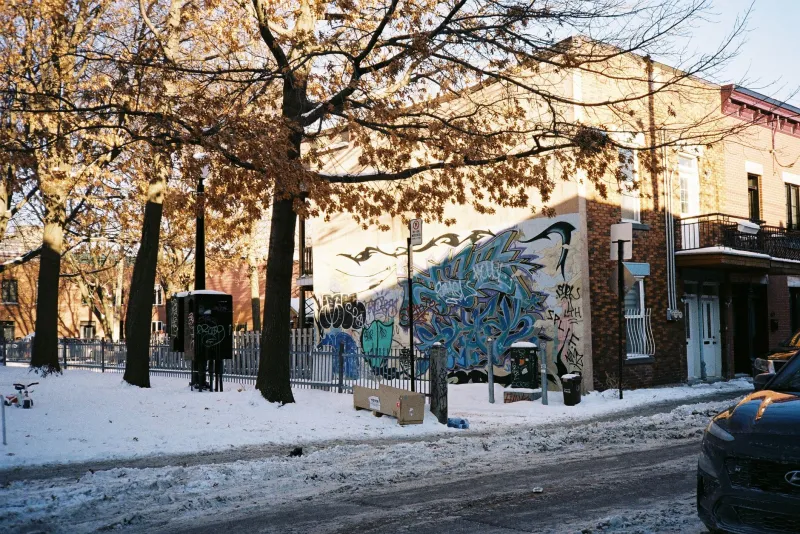
Let's be honest about what gentrification does to a graffiti writer. It prices them out of the neighborhoods where they grew up writing. It replaces the crumbling warehouse walls — the ones that were basically public canvases by default — with luxury condos that have HOA boards and pressure-wash contracts. It turns the corner store where writers used to trade caps into a cold brew coffee shop that sells twelve-dollar oat milk lattes. And then, almost immediately, it hires a muralist to paint something colorful on the exterior so the place feels "authentic."
The irony is thick enough to choke on.
But here's the thing nobody talks about enough: displacement doesn't just destroy. It redirects. Writers who get pushed out of their home neighborhoods don't stop writing. They adapt. Sometimes that adaptation is painful, sometimes it's opportunistic, and sometimes — genuinely — it opens doors that wouldn't have existed otherwise.
The Mural Economy and Its Discontents
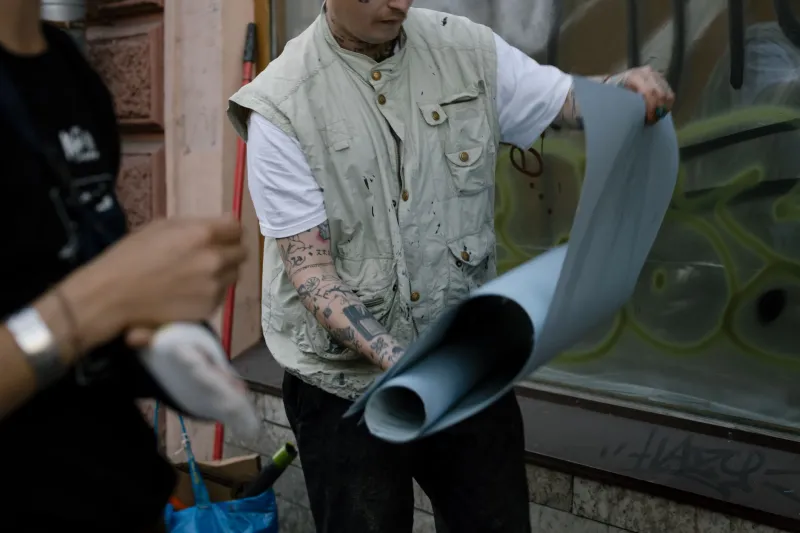
One of the most visible byproducts of neighborhood transformation is the explosion of commissioned mural work. Developers and business improvement districts have figured out that public art raises property values and generates foot traffic. What they need is artists who can actually paint large-scale walls. Graffiti writers, it turns out, are extraordinarily good at that.
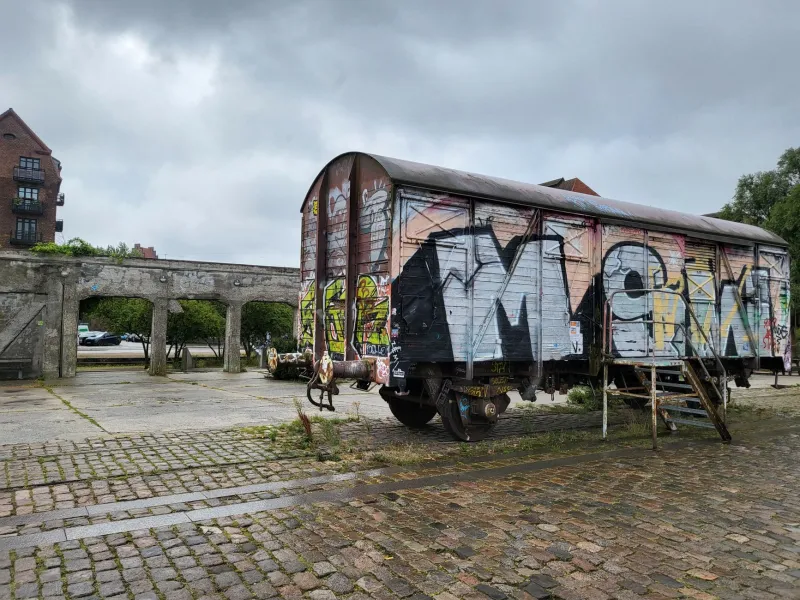
So a strange transaction has emerged. The same culture that gentrification displaces gets hired to decorate the displacement. Writers who once painted freight cars at 3 a.m. are now getting permits, signing contracts, and working with project managers who send calendar invites.
"I have complicated feelings about it," admits Tasha, a writer from Atlanta who goes by Prism. She grew up painting in Old Fourth Ward before it became a destination neighborhood. Now she has a waiting list of commercial clients. "I'm not going to pretend the money isn't real. It's real. But I know what was on some of those walls before the renovation crews came through. I knew the people who painted them."
This is the central tension: writers are often the most skilled people available to do this work, and doing it means participating in the aesthetic rebranding of spaces that once belonged to communities like theirs. There's no clean answer. Most writers navigate it case by case, taking the commissions that feel right and walking away from the ones that don't.
Going Digital When the Physical Closes Off
For writers who don't want to engage with the mural economy — or who live in cities where even the legal wall options are drying up — the internet has become a second city to write in.
This isn't the Instagram grind that a lot of writers have publicly rejected. It's something more intentional: building audiences on platforms that allow for direct economic relationships, selling digital work, running Patreon-style models where fans pay for access to process videos, tutorials, and limited-edition prints. Some writers are teaching online workshops that draw students from cities they've never visited.
Jordan, a writer from Philadelphia who goes by Colt, relocated to a smaller city in Pennsylvania after his rent tripled in two years. He's built most of his current income online. "My neighborhood in Philly is gone, basically. What I have now is a community that exists across geography. People in Portland, people in Miami, people in Germany — they know my work. That wouldn't have happened if I'd stayed comfortable."
There's something worth sitting with in that. Displacement, as brutal as it is, can force a kind of reach that comfort never would.
International Walls and the Export of American Style
One of the less-discussed consequences of writers getting pushed around domestically is how aggressively American graffiti culture has spread internationally over the past decade. Writers who can't find walls in their home cities are finding them in Berlin, São Paulo, Melbourne, and Tokyo. Invitation-based festivals, international residencies, and Instagram connections have created a global circuit that didn't exist in the same way twenty years ago.
American handstyles, American bombing aesthetics, American crew culture — all of it is being exported and remixed by writers who left because they had to and stayed because the opportunities were there.
"I painted more in Europe last year than I did in the States," says Marcus, a New York writer who's been traveling for commissions since his Brooklyn neighborhood became unrecognizable to him. "That shouldn't be true. But it is."
What Actually Gets Lost
None of this means gentrification is fine. It isn't. The hyperlocal nature of graffiti culture — the way a neighborhood's history gets written into its walls, the way writers build reputations block by block — that doesn't survive displacement intact. It gets scattered. The crew that came up together on the same streets doesn't come up together when half of them are in different zip codes.
The communal infrastructure of the culture — the spots where writers congregated, the walls where generations of hands overlapped — that's what gets bulldozed and doesn't come back.
What does come back is something different. Looser. More distributed. Sometimes more commercially viable, sometimes more internationally connected, almost always more complicated.
Gentrification isn't giving graffiti a gift. But the writers caught in its path are finding ways to keep writing anyway. That's not a silver lining. That's just what this culture does.