Legal Walls, Real Consequences: What Happens When the City Hands You a Permit Instead of a Warrant
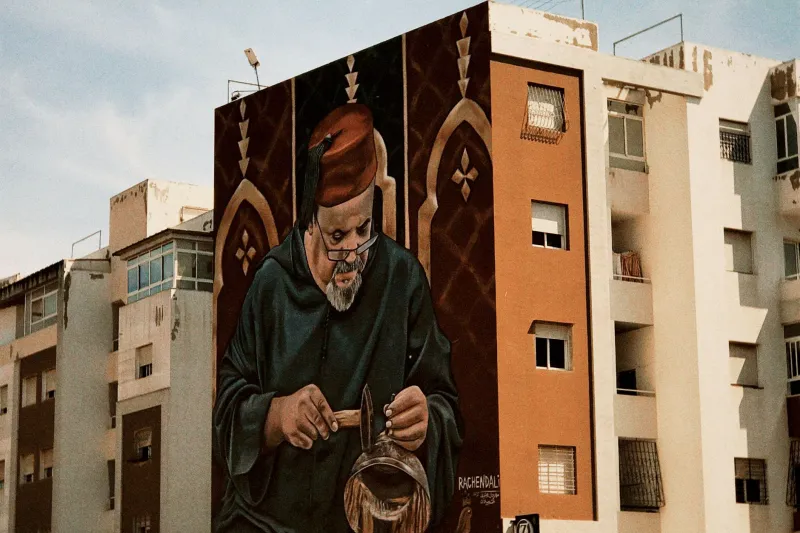
There's a particular kind of irony in watching a city councilmember pose in front of a freshly commissioned mural — beaming, arms wide open — when that same city spent thirty years arresting the people who invented the style painted six feet above her head. It's happening more and more across America, and depending on who you ask, it's either a long-overdue correction or the most elaborate co-opt in the history of street culture.
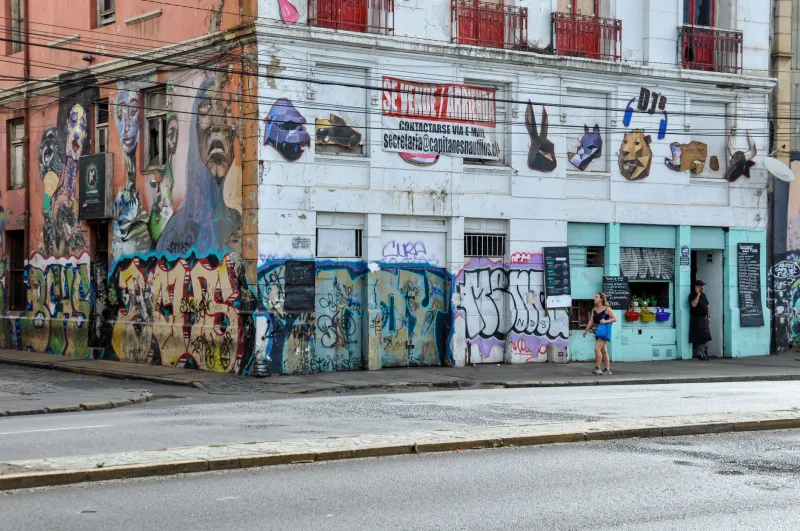
Across the US, municipalities are quietly — sometimes loudly — tearing up the old anti-graffiti playbooks. Permit programs, designated mural districts, and city-funded public art initiatives are popping up from Detroit's Eastern Market to LA's Arts District to the corridors of West Philly. The legal architecture that once treated a spray can like a weapon is getting a serious renovation. And the writers who built their names on the wrong side of that law are left to figure out what any of it actually means for them.
The Old Playbook, and Why It Cracked
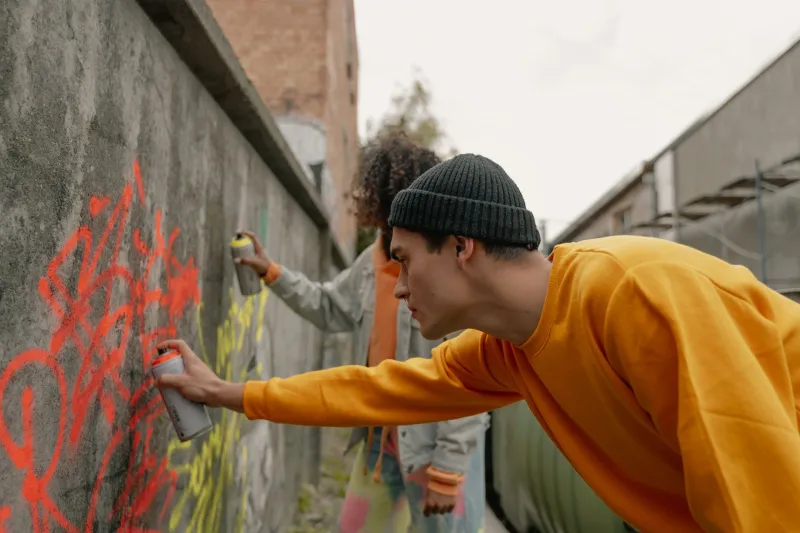
For decades, American cities leaned hard into broken-windows policing as the answer to graffiti. The logic was simple, if deeply flawed: visible tagging signals disorder, disorder invites crime, so you scrub the walls and lock up the writers. Cities poured real money into abatement programs — Los Angeles alone has spent tens of millions annually on graffiti removal — while pushing mandatory minimums, civil liability statutes, and buff crews that could erase a piece before the paint dried.
The problem? It didn't work the way anyone promised. The culture didn't disappear. It evolved, expanded, and eventually became something cities couldn't ignore because it started generating serious economic activity. Galleries. Tourism. Streetwear collabs. Real estate value. When developers started using murals to market luxury apartments in neighborhoods that had been policing those same walls for a generation, the contradiction became impossible to paper over.
Philadelphia saw it early. The Mural Arts Program — born in 1984 out of an anti-graffiti initiative, of all things — became one of the most cited examples of policy pivot in the country. What started as a way to redirect writers away from unauthorized work grew into a program that has produced over 4,000 murals and is now considered a civic institution. It didn't end the debate, but it proved the model could scale.
What the New Laws Actually Look Like
The policy shifts happening right now are more varied and more complicated than a simple "cities are legalizing graffiti" headline suggests. What's actually unfolding is a patchwork.
Los Angeles has expanded its mural ordinance multiple times over the past decade, creating a permit pathway for property owners who want to commission large-scale works without running into signage laws that previously made outdoor murals legally murky. The city has also invested in designated art zones where enforcement is relaxed and artists can work with fewer bureaucratic hurdles.
Detroit, coming out of bankruptcy with entire city blocks to reimagine, leaned into public art as infrastructure. Organizations like the Detroit Institute of Arts and grassroots crews alike have painted neighborhoods that city planners essentially handed over to creative reclamation. The legal framework there is less formal — more a product of reduced enforcement capacity and political will to let art fill the vacuum — but the effect is real.
In cities like Denver and Atlanta, artist permit programs have created tiered systems: apply, get approved, paint legally. The permits often come with conditions — no obscenity clauses, no political content restrictions that vary wildly by municipality — and that's where things start to get complicated.
The Velvet Cage Problem
Here's the tension that every writer navigating this moment has to sit with: legal walls are genuinely better than jail. That's not nothing. Getting arrested, fined, or having your work buffed the next morning is a real cost, and for writers from communities that have historically faced aggressive policing, those stakes are never abstract.
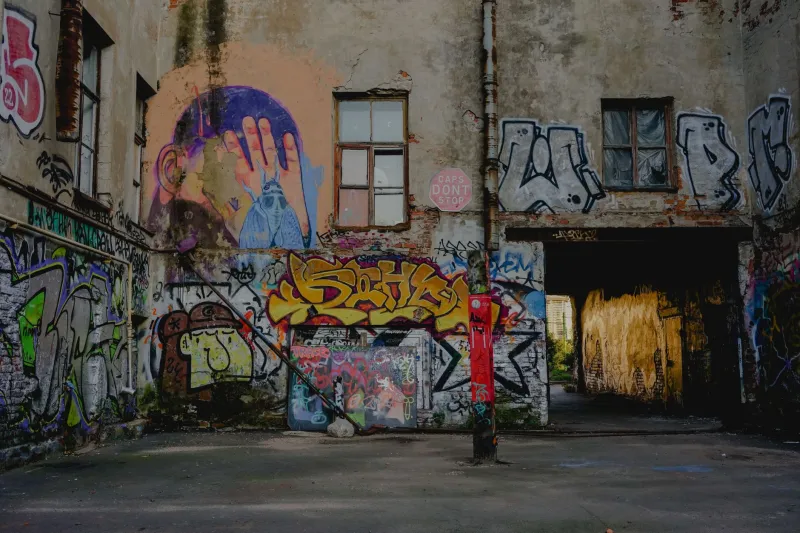
But permission changes the art. That's not a romantic notion — it's a structural reality. Graffiti's energy, its visual vocabulary, the urgency that makes a piece hit different on a freight car than in a gallery — a significant chunk of that comes from the fact that it exists outside sanctioned space. When the city hands you a wall and a timeline and a clause about content approval, you're not making the same thing anymore. You might be making something great. But it's a different thing.
Veteran writers are split on this, and anyone telling you there's consensus is selling something. Some see permitted work as a resource — a way to eat, build reputation, and reach audiences who'd never encounter their work otherwise. Others feel the permit system functions as a kind of cultural laundering: cities get the aesthetic credibility of street art while maintaining control over where it goes, what it says, and who gets to make it.
"They want the look without the attitude," one LA-based writer told us, asking to stay anonymous. "A mural that says something real about the neighborhood? Good luck getting that permitted. A mural that makes the neighborhood look like somewhere you'd want to open a coffee shop? That gets fast-tracked."
Who Gets the Wall?
The equity question running underneath all of this is one that city programs are only beginning to reckon with seriously. The writers who built American graffiti culture — disproportionately Black and Latino artists from under-resourced communities — are not always the ones benefiting from the new legal frameworks. Permit processes favor artists with existing institutional connections, professional portfolios, and the time to navigate bureaucracy. The kid who learned to letter on a freight wall in the Bronx at sixteen does not always have those things.
Some programs are trying to close that gap. Philadelphia's Mural Arts has deep roots in community engagement and has made intentional efforts to work with artists from the neighborhoods being painted. Detroit's grassroots scene has produced homegrown writers who've moved into commissioned work on their own terms. But these are the exceptions, and the exceptions require constant, active work to sustain.
The permit pathway, if it isn't deliberately designed with equity at the center, risks becoming another system that extracts cultural value from marginalized communities while distributing the economic benefits elsewhere.
Where the Walls Go From Here
What's clear is that the legal landscape around graffiti and urban art in America is shifting faster than it has at any point since the culture emerged from New York City in the late 1960s and 70s. Cities are realizing — some grudgingly, some enthusiastically — that they cannot police their way out of a culture that has become genuinely embedded in how Americans understand public space, identity, and creative life.
The writers who built this world deserve more than a permit and a photo op. They deserve a seat at the table where the policies are actually written — not just the wall where the outcome gets painted. Whether the new legal frameworks deliver that, or whether they become a more sophisticated version of the same old erasure, depends entirely on who's holding the pen when the ordinances get drafted.
The walls are talking. The question is whether anyone in city hall is actually listening.