Walls That Were Written Off: Ten American Cities That Turned Urban Ruins Into Living Art
The Wall Was Always There
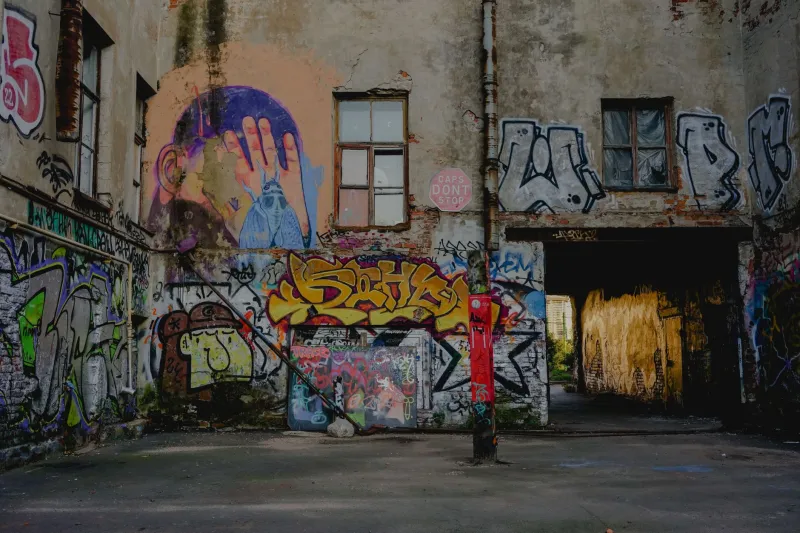
Before the murals, there was just concrete. Cracked, tagged over, plastered with years of layered frustration and forgotten promises. In dozens of American cities, abandoned buildings weren't just eyesores — they were monuments to disinvestment, symbols of what happens when a neighborhood gets left behind. But somewhere along the way, artists started looking at those same walls and seeing something else entirely: possibility.
Across the country, ten cities have managed to flip the script, transforming condemned and derelict structures into destinations that draw tourists, energize residents, and — crucially — give working graffiti and mural artists a legitimate stage. These aren't sanitized corporate art installations. The best of them carry real grit, real history, and real community fingerprints. Here's how some of America's most beat-up buildings became some of its most talked-about canvases.
Detroit: Where Ruins Became Runways
Detroit has been the poster child for urban decay for so long that it almost became a cliché. But the city's art scene never got the memo. The Heidelberg Project — started by artist Tyree Guyton back in 1986 on a single block in the McDougall-Hunt neighborhood — became the unlikely blueprint for what reclamation could look like. Polka-dotted houses, found-object sculptures, and painted streets turned a near-abandoned block into an internationally recognized art environment.
More recently, organizations like the Detroit SOUP micro-grant program and partnerships with the city's planning department have helped channel mural projects into formerly blighted corridors. Artists like Ouizi and PIXEL PANCHO have left massive works on buildings that were months away from demolition. The tension here is real, though: as Eastern Market fills with new restaurants and the Corktown neighborhood gentrifies, some longtime residents wonder whether the art is celebrating their culture or attracting the forces that will eventually price them out.
Philadelphia: The Mural Capital That Earned It
No American city has institutionalized public art quite like Philadelphia. The Mural Arts Program — launched in 1984 as an anti-graffiti initiative, which is honestly one of the great ironies in street art history — has since commissioned over 4,000 murals across the city. Many of those works now live on buildings that were abandoned or condemned before artists stepped in.
The transformation of North Philadelphia's industrial corridors has been particularly striking. Former factory walls along Kensington Avenue and the Brewerytown stretch now carry enormous community-driven murals that document local history, honor neighborhood icons, and reflect the faces of people who actually live there. The program's commitment to working with community members — not just parachuting in famous artists — is what separates it from more performative urban art efforts.
Miami: Wynwood and the Double-Edged Brush
Wynwood is the most famous example on this list, and also the most complicated. When developer Tony Goldman began inviting world-renowned street artists to paint the walls of his warehouse properties in 2009, the neighborhood was largely industrial and underinvested. What followed was an explosion of color — and then an explosion of real estate prices.
Today, Wynwood Walls draws hundreds of thousands of visitors a year, and the neighborhood boasts some of the highest commercial rents in Miami. Artists like RETNA, Os Gemeos, and Shepard Fairey left iconic works there. But many of the original community members — largely working-class Latinx families — have been displaced. Wynwood is a genuine graffiti landmark and a cautionary tale at the same time. It's possible for both things to be true.
Los Angeles: Boyle Heights and the Battle for the Wall
LA's relationship with graffiti and mural culture runs deeper than almost anywhere else in the country, rooted in Chicano art movements that date back to the 1960s. In Boyle Heights, murals aren't decoration — they're documentation. Buildings that have been tagged, painted over, and repainted carry layers of visual history that function almost like archaeological sites.
The Estrada Courts housing project murals, some of the oldest surviving Chicano murals in the country, have been the subject of ongoing preservation efforts. More recently, community organizations like the East LA Community Corporation have worked to designate mural corridors that protect existing works and commission new ones on buildings that were previously abandoned. The fight here isn't just aesthetic — it's about whose stories get to live on the wall.
Chicago, Houston, Atlanta, Pittsburgh, Baltimore, and New Orleans
The story repeats itself, with local variations, across the country. In Chicago's Pilsen neighborhood, Mexican muralist traditions have transformed entire blocks of aging two-flats and commercial buildings into open-air galleries. Houston's East End has seen a wave of large-scale murals — many commissioned through the Houston Arts Alliance — that have anchored formerly vacant lots and shuttered storefronts.
Atlanta's Krog Street Tunnel has become one of the most photographed graffiti spaces in the Southeast, a legally sanctioned free-for-all where layers of spray paint accumulate daily. Pittsburgh's 16-62 Design Zone project connected artists with property owners along a neglected commercial corridor, resulting in over 50 new murals. Baltimore's Open Walls project brought international artists to Station North, sparking a broader neighborhood arts economy. And in New Orleans, the post-Katrina rebuilding effort gave artists an unprecedented canvas — entire city blocks of flood-damaged structures that became temporary and permanent mural sites.
The Honest Part
Let's not pretend this is purely a feel-good story. In almost every city on this list, the arrival of celebrated murals has preceded — or accompanied — rising property values and the displacement of the communities those murals were meant to honor. The relationship between art, revitalization, and gentrification is messy and uncomfortable, and anyone writing about this stuff seriously has to sit with that discomfort.
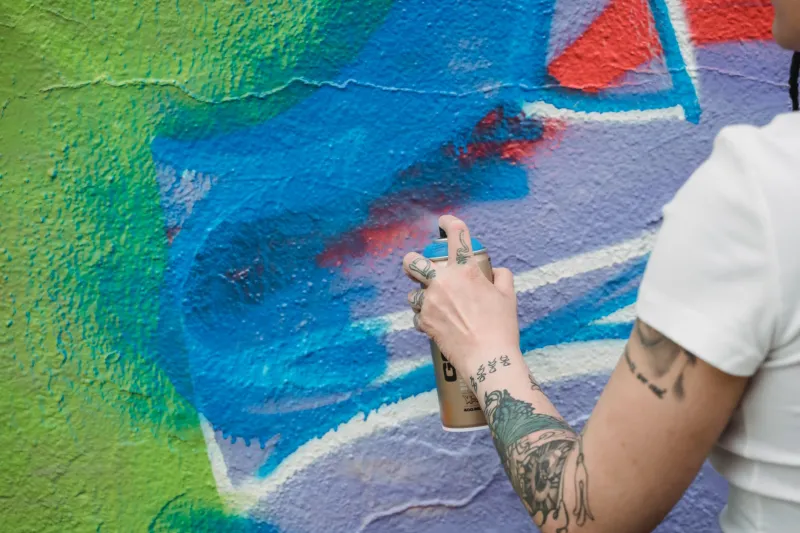
The artists who do this work best are the ones who stay embedded in the communities they paint for. They're not swooping in with a commission and a can of Montana Gold — they're showing up to neighborhood meetings, listening to what residents actually want to see on their walls, and making work that reflects lived experience rather than a developer's vision of what a neighborhood could become.
What a Wall Can Do
At its best, the transformation of a condemned building into a graffiti landmark is an act of collective imagination. It says: this place matters, these people matter, and the stories told here are worth preserving. The physical act of painting — the labor, the risk, the hours on a scaffold or a ladder — gives those walls a weight that no digital rendering can replicate.
The ten cities in this story didn't get it perfectly right. But they got something right: they listened, at least sometimes, to the artists and communities who had been speaking through walls long before anyone was paying attention. That's worth celebrating — and worth protecting.